
Arvamusfestival, Opinion Festival


Arvamusfestival, Estonia
The Arvamusfestival (Opinion Festival) believes that they influence first and foremost each individual participating. All big changes in the world begin with little flickers of thought or emotion inside a person. The festival creates a place that offers those inspirational moments that get people on the path to becoming more informed, inspired, open, brave, and active – to build a better discussion culture and stronger democracy in Estonia.
Purpose and vision
“Arvamusfestival is an open and inspiring meeting place for different opinions and new ideas, where discussions and debates on important topics come to life. Our mission is to bring together all societal groups, to empower people and through this – improve the culture of discussion”.
Founder and year of establishment
Arvamusfestival was established in 2013. The festival was founded as a civic initiative, in a climate of growing distrust towards politics and disillusionment in public discussions. The idea was to team up to establish a platform for open discussion, a new kind of experience through meaningful and engaging debates.
Organisational structure
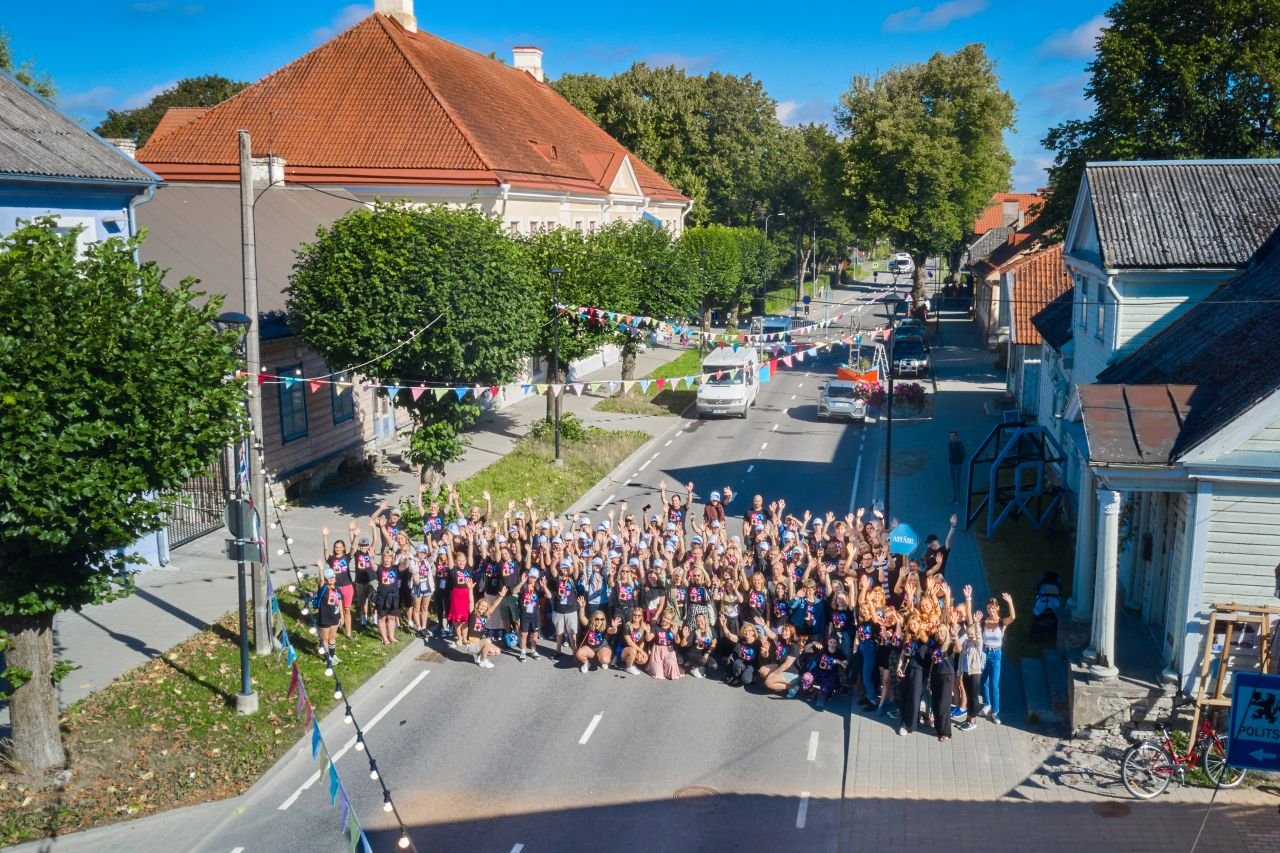
Arvamusfestival is owned by the non-profit organisation MTÜ Arvamusfestival. With 2 full-time and 4 part-time paid personnel, most of the work is done by ca 150 volunteers. Arvamusfestival relies a lot on support from sponsors (state, local, business, private), also more and more on project grants and pro bono partners.
Location and length
The festival is located in Paide and takes place for 2 days on the 2nd weekend of August. It was located in Paide because people in Paide saw the potential of Arvamusfestival and offered tremendous volunteer support. The festival is located 90 km from Tallinn and the town has approximately 10 000 inhabitants.
Size – number of participants and events
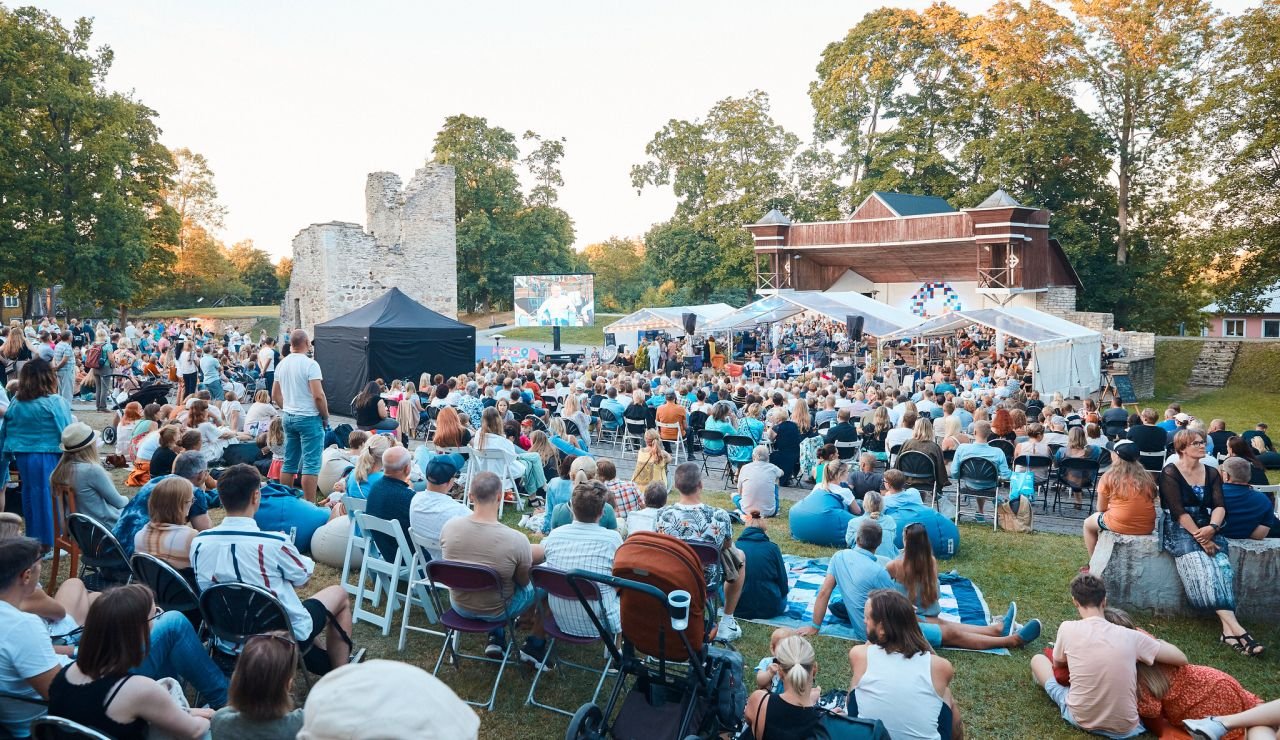
Opinion Festival is Estonia’s largest public discussion platform. Over two festival days, more than 9,000 people gather in Paide to discuss issues that matter to Estonian society.
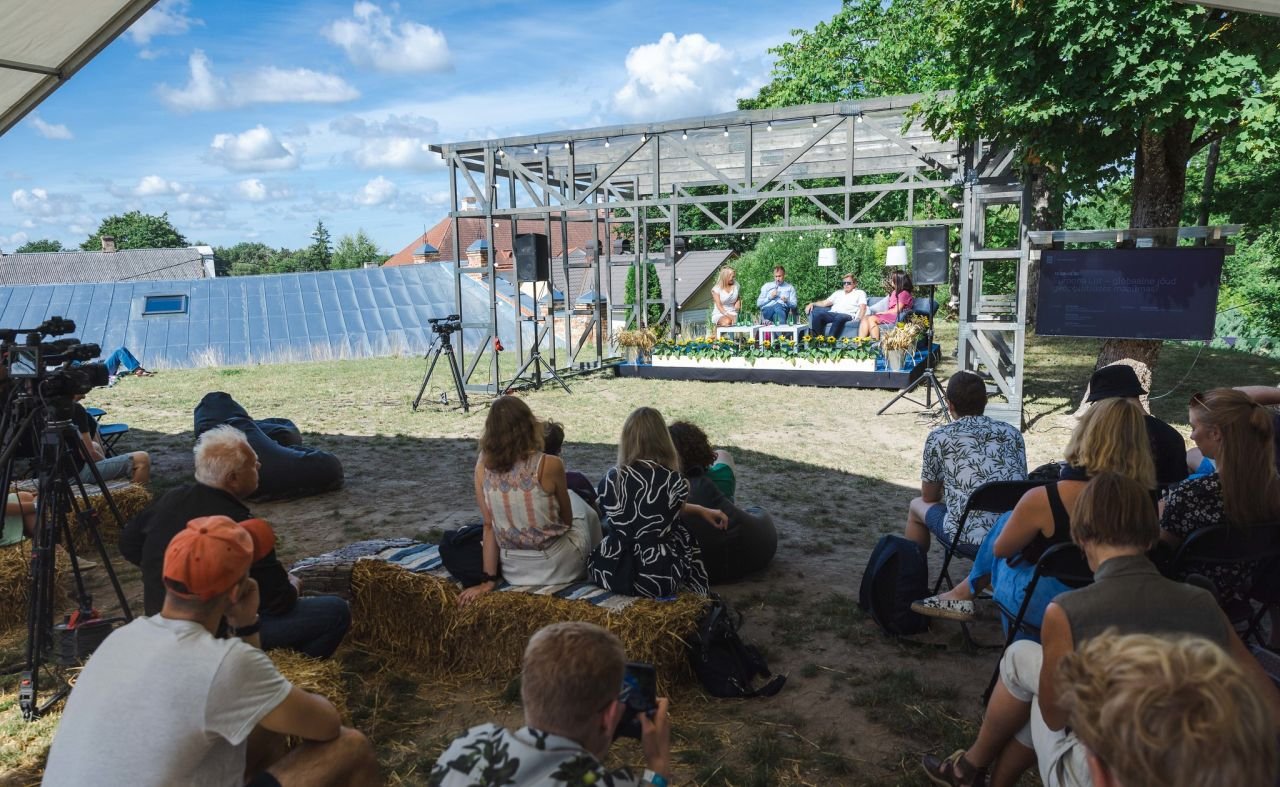
In 2026, the programme included approximately 250 discussions across 37 discussion areas, alongside workshops, exhibitions, participatory activities and a diverse cultural programme.
The programme is created together with a wide range of organisations from civil society, the public sector and the private sector. In 2026, public-sector organisations were involved in 102 discussions, civil society organisations in 99 and businesses in 31. As some discussions were co-organised across sectors, these figures overlap.
People attending the festival
Opinion Festival is open to everyone and participation in the festival is not dependent on the ability to pay.
According to the last visitor survey, 69% of respondents were women and 29% men. Around 71% of respondents were between 18 and 50 years old, and 59% had higher education. The audience is also relatively loyal: 68% had visited Opinion Festival before, while 32% were attending for the first time.
The programme is mainly in Estonian, but discussions are also held in English and Russian, as well as in multilingual formats. In 2026, sign-language interpretation was available at around 20 programme events, with additional accessibility options including real-time captioning and written interpretation.
Involvement of the political parties
Political parties and politicians are an important part of Opinion Festival, but the format of their participation can vary from year to year.
In 2026, a shared Politics and Parties discussion area hosted eight cross-party discussions on major public-policy issues, bringing together representatives of several political parties. Some parties also organised their own programme areas.
The aim is not to provide a platform for political campaigning, but to create opportunities for substantive discussion between political decision-makers, experts, civil society and the public. As elsewhere in the programme, political discussions are expected to follow the festival’s principles of good discussion practice and include different perspectives.
Programme
Anyone can propose a discussion through Opinion Festival’s annual open call. The call is open to civil society organisations, public-sector institutions, businesses, communities and other groups.
Proposals are assessed by the festival’s programme team, discussion-area coordinators and invited experts. The main criteria include relevance to society, diversity of perspectives, cross-sector cooperation, freshness of the approach and compliance with the festival’s principles of good discussion practice. When several organisers propose similar topics, the festival may bring them together and encourage them to co-create a discussion.
Since 2026, discussion organisers can participate through different models depending on their resources and needs. A number of festival-supported places are free of charge, particularly for civil society, non-profit, educational and research organisations with limited resources. Other organisers can choose between a self-organised model, where costs and responsibilities are shared with other organisers, and a full-service model, where the festival provides the technical set-up. Festival supporters may also create their own discussion areas, meeting spaces and participatory activities.
Opinion Festival supports organisers not only with infrastructure but also with programme development. Organisers and moderators are offered guidance, networking opportunities, training and workshops to help improve the quality of discussions and audience participation.
The festival encourages a wide range of formats beyond traditional panel discussions – including dialogues, workshops, debates, simulations, audience voting and other participatory formats. The format should follow the purpose of the discussion rather than habit.
Opinion Festival also works to strengthen discussion culture beyond the two festival days in Paide. Regional pre-festivals have been organised in different parts of Estonia, creating opportunities for local communities to discuss issues that matter to them and bringing the festival approach closer to people across the country. The network continues to develop; for example, in 2026 a pre-festival was held in Pärnu and Viljandi.
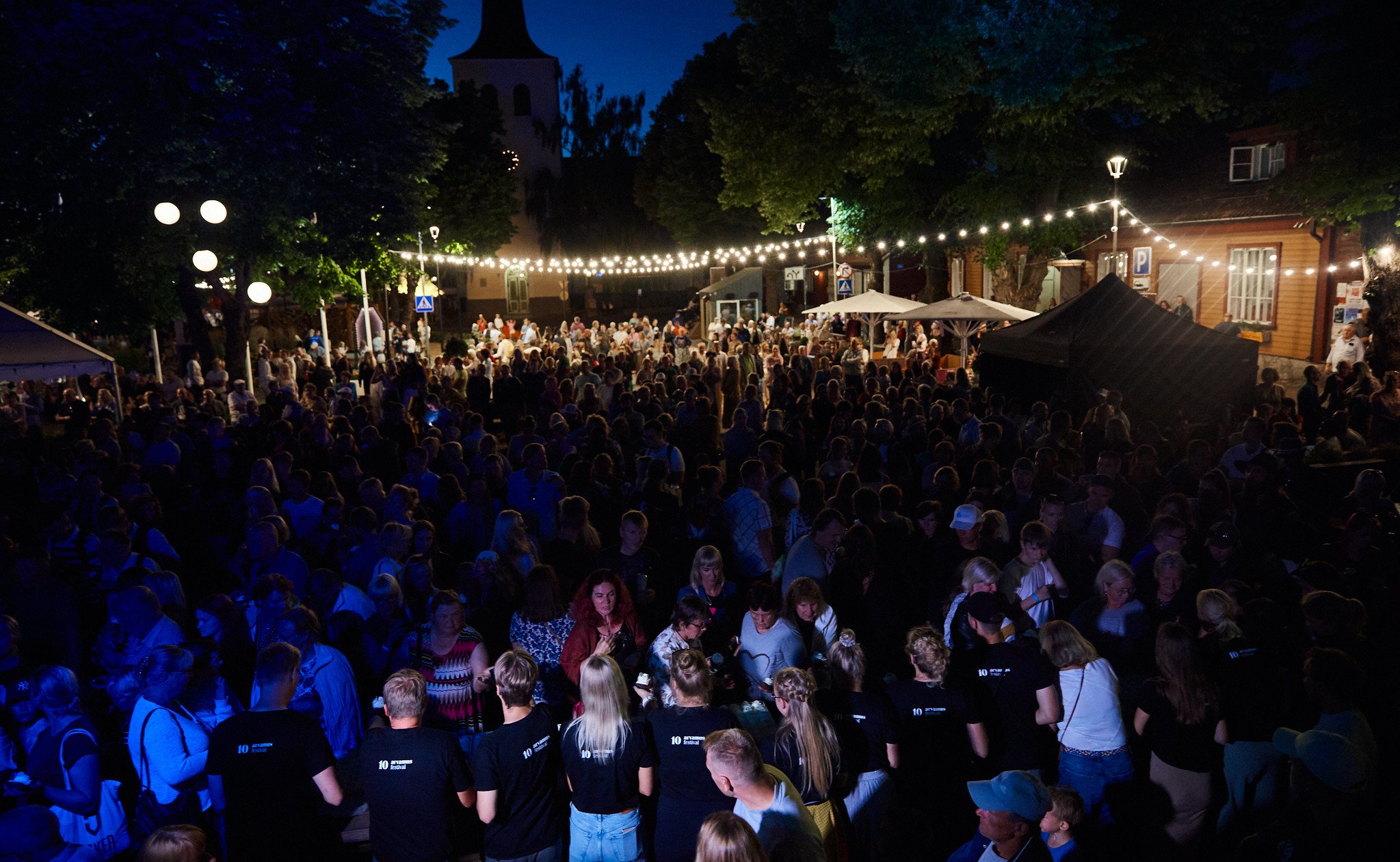
Culture and the festival atmosphere are an increasingly important part of the experience. The cultural programme includes music, performances, poetry, stand-up and other artistic formats, while the public space of Paide itself is treated as part of the festival – a place for encounters, participation and informal conversations between discussions.